Choosing Between Classic and Lower-Sugar Stroopwafels
Dutch Caramel Cookies: A Sweet Tradition Meets Modern Taste
For years, the stroopwafel has been a beloved treat from the Netherlands. Two thin waffle discs hold a layer of caramel syrup, creating a cookie that is crisp on the outside and chewy in the middle. Traditionally, these Dutch caramel cookies are made with a rich filling of sugar, butter, and molasses. They pair perfectly with coffee or tea, as the heat softens the syrup and makes the whole thing wonderfully gooey.
In recent years, more people have started looking for lower-sugar versions of classic sweets. The same shift has reached the stroopwafel. Some modern recipes replace part of the sugar with fiber or use natural sweeteners to reduce the overall sugar content while trying to keep that familiar caramel taste and chewy texture. For anyone who loves the original but wants to cut down on sugar, these new options offer an interesting choice.
What Makes a Classic Stroopwafel
The traditional stroopwafel starts with a thin, round waffle baked from a simple batter of flour, butter, sugar, eggs, and yeast. After baking, the waffle is sliced horizontally and filled with a warm syrup made from brown sugar, butter, cinnamon, and sometimes molasses. The result is a cookie that is crisp on the outside and soft, sticky, and sweet inside. The texture is part of its charm - the contrast between the crunchy waffle discs and the chewy caramel center is what sets it apart from other filled cookies.
Classic stroopwafels are often eaten by placing one on top of a hot cup of coffee or tea. The steam softens the syrup, making the whole cookie warm and pliable. This ritual is part of the cultural tradition around the treat. The sweetness is intense, and the caramel flavor is deep and buttery. For many, this is the only way a stroopwafel should be.
The Appeal of Lower-Sugar Versions
Lower-sugar stroopwafels aim to keep the same basic structure - two waffle discs with a sweet filling - but use different ingredients to reduce the sugar content. Some replace part of the sugar with fiber, such as chicory root fiber or inulin. Others use natural sweeteners like stevia or monk fruit. The goal is to create a cookie that still tastes like a caramel treat but with fewer grams of sugar per serving.
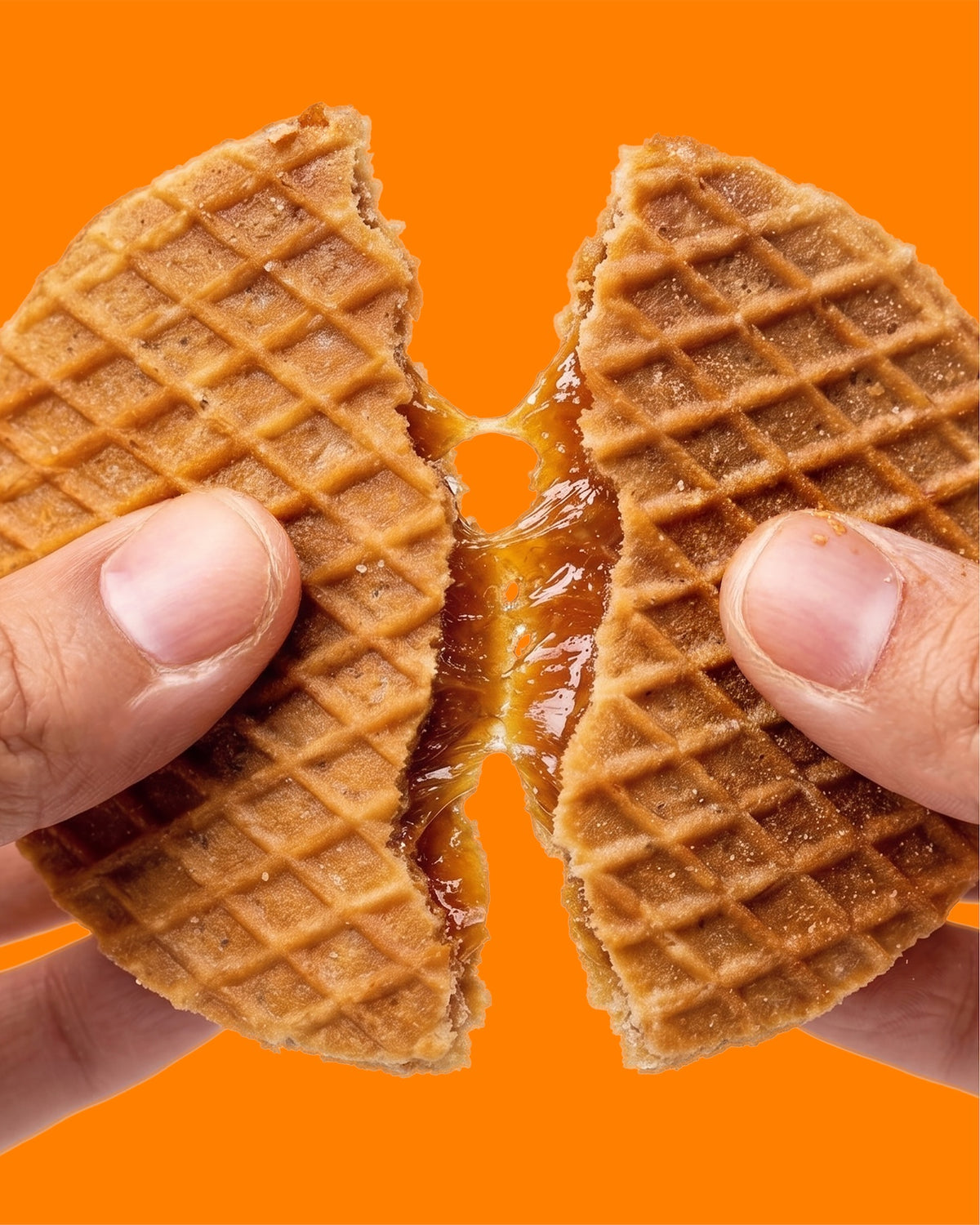
These modern versions often appeal to people who are watching their sugar intake for health reasons, such as managing blood sugar levels or reducing calories. They can also be a good option for anyone who finds the original too sweet. The texture of lower-sugar stroopwafels can differ from the classic. Because sugar contributes to the chewiness of the caramel, reducing it can make the filling less sticky and more firm. Some brands add extra fiber to compensate, which can also affect the mouthfeel.
Comparing Taste and Texture
When you bite into a classic stroopwafel, the first thing you notice is the crisp waffle. Then the caramel syrup gives way, soft and sweet. The overall experience is rich and indulgent. The sugar is not just for sweetness - it also helps create that signature chewy center that pulls apart as you eat.
Lower-sugar versions tend to be less sweet, but they can still deliver a caramel-like flavor. The texture may be slightly different. The filling might be less stretchy and more like a soft paste. Some modern versions use added fiber to create a chewy center that mimics the original. The waffle discs themselves may be thinner or slightly different in texture because the batter also has less sugar.
For someone used to the classic, the lower-sugar version can be a pleasant alternative if you like a less intense sweetness. If you are looking for that exact sticky, sugary caramel experience, the original is still the way to go. The choice really depends on what you value more - the authentic taste and texture or a lower sugar profile.
When to Choose Each One
The classic stroopwafel is a great choice when you want a full, traditional experience. It pairs wonderfully with a strong coffee or tea, and the sweetness feels like a proper treat. If you are not worried about sugar and enjoy the deep caramel flavor, the original is hard to beat.
Lower-sugar stroopwafels fit well into a diet where you are trying to reduce sugar without giving up the foods you love. They can be a good afternoon snack when you want something sweet but not heavy. Some people also prefer them in the evening, as the lower sugar might be gentler on sleep.
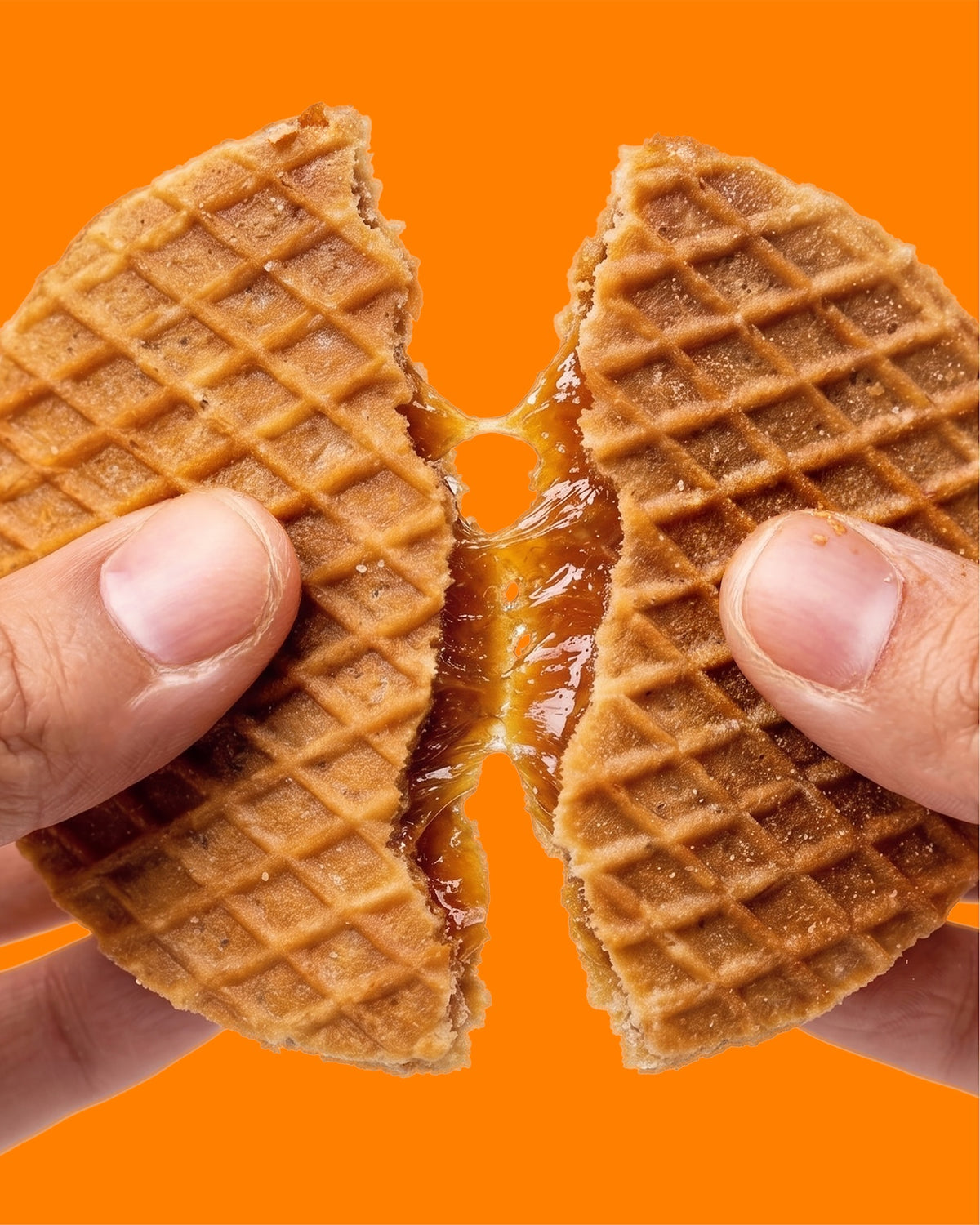
Rip Van offers low-sugar Dutch stroopwafels and other filled wafer snacks with chewy centers and added fiber. Their version aims to give you that same crunchy waffle and soft center while cutting down on sugar. For anyone looking for a modern twist on the classic, this is one option to consider.
What to Look For in a Lower-Sugar Stroopwafel
If you decide to try a lower-sugar stroopwafel, there are a few things to keep in mind. Check the ingredients list for the type of sweetener used. Fiber-based sweeteners like chicory root fiber can add a mild sweetness and also contribute to a chewy texture. Some versions use sugar alcohols like erythritol, which have little to no calories but can cause digestive discomfort for some people.
Another thing to consider is the overall calorie count. Lower-sugar cookies often have fewer calories, but not always. Some replace sugar with fat or other carbohydrates, so the calorie difference might be small. Pay attention to the serving size as well.
Texture is also personal. If you love the stretchy, sticky caramel of the original, you might need to try a few brands to find a lower-sugar version that feels similar. Some are very good, while others can be dry or crumbly. The best approach is to taste a few and see which one you like.
The Place of Tradition in Modern Eating
Food traditions evolve, and the stroopwafel is no exception. The classic recipe has been around for centuries, but modern dietary needs and preferences are pushing bakers to innovate. Lower-sugar versions are not trying to replace the original. They simply offer another option for people who want to enjoy a Dutch caramel cookie without as much sugar.
Whether you stick with the classic or try a lower-sugar version, the key is to enjoy the cookie in a way that fits your lifestyle. Some people keep both in the pantry - a classic for a weekend treat and a lower-sugar one for a weekday snack. The choice is yours.
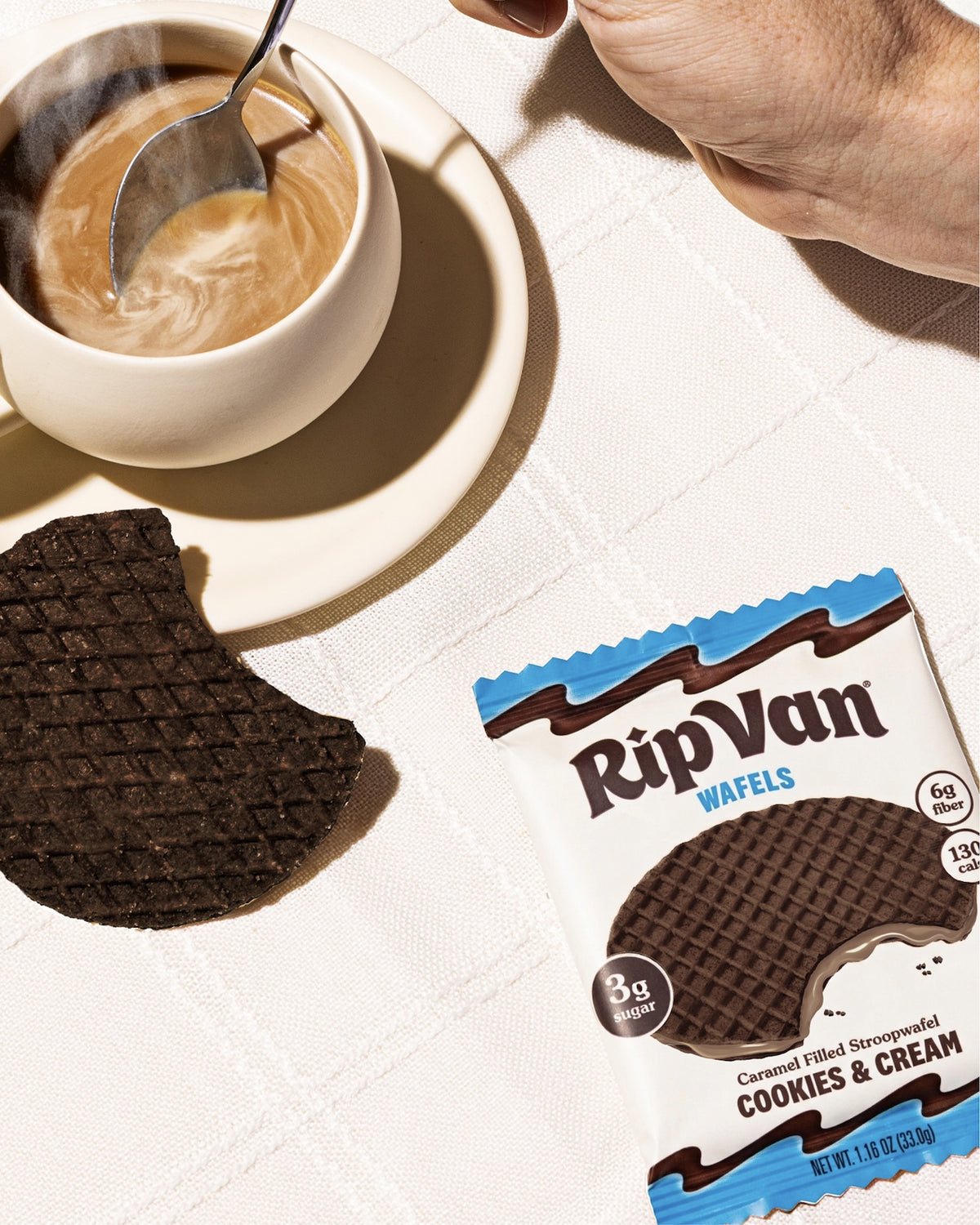
Rip Van has created a version that stays true to the spirit of the stroopwafel while adapting to modern tastes. Their focus on chewy centers and added fiber shows how the traditional cookie can be reimagined without losing its essence. For anyone curious about the lower-sugar path, it is worth a try.
Final Thoughts on Dutch Caramel Cookies
Both classic and lower-sugar stroopwafels have their place. The classic delivers an authentic, intensely sweet caramel experience that is deeply satisfying. The lower-sugar versions offer a lighter option that still captures the basic idea of a caramel-filled waffle cookie. Your choice depends on your taste, your health goals, and the occasion.
The best part is that you do not have to choose forever. You can enjoy the traditional version when you want a full treat, and reach for the lower-sugar option when you need something a bit lighter. Either way, the stroopwafel remains a wonderful companion to a hot drink and a lovely piece of Dutch cuisine.